FAQ

Get a clear picture of your budget before you start house hunting

Frequently Asked Questions About Mortgages

Got questions about mortgages? We’re here to help! Explore our comprehensive FAQs to find clear answers to common queries about home loans, refinancing, interest rates, and more. Simplify your journey to homeownership with the right information at your fingertips.


What does a mortgage broker do?

A mortgage broker acts as a middleman between borrowers and lenders. Instead of going to one bank, a mortgage broker shops multiple lenders to find the best mortgage rate and terms based on your financial situation. Brokers handle the paperwork, negotiate on your behalf, and guide you through the entire mortgage process.

Using a mortgage broker often provides access to more lenders, better rates, and flexible mortgage options than going directly to a bank. Brokers compare multiple products and can help clients with unique situations such as self-employment, bad credit, or limited income documentation.

In most cases, mortgage broker services are free for borrowers. Brokers are typically paid by the lender after the mortgage is completed. In some private mortgage or complex cases, a broker fee may apply, which is always disclosed upfront.

Most lenders prefer a credit score of at least 620 for standard mortgage programs, though some lenders may accept lower scores. Higher credit scores usually qualify for better mortgage rates. Alternative and private mortgage options are available for borrowers with credit challenges.

The minimum down payment depends on the purchase price and mortgage program. In Canada, first-time buyers may qualify with as little as 5% down, while higher-priced homes require larger down payments. We help you find the best option based on your budget.

A mortgage pre-approval confirms how much you can borrow and locks in an interest rate for a set period. It helps you shop confidently, strengthens your purchase offer, and protects you from rising interest rates.

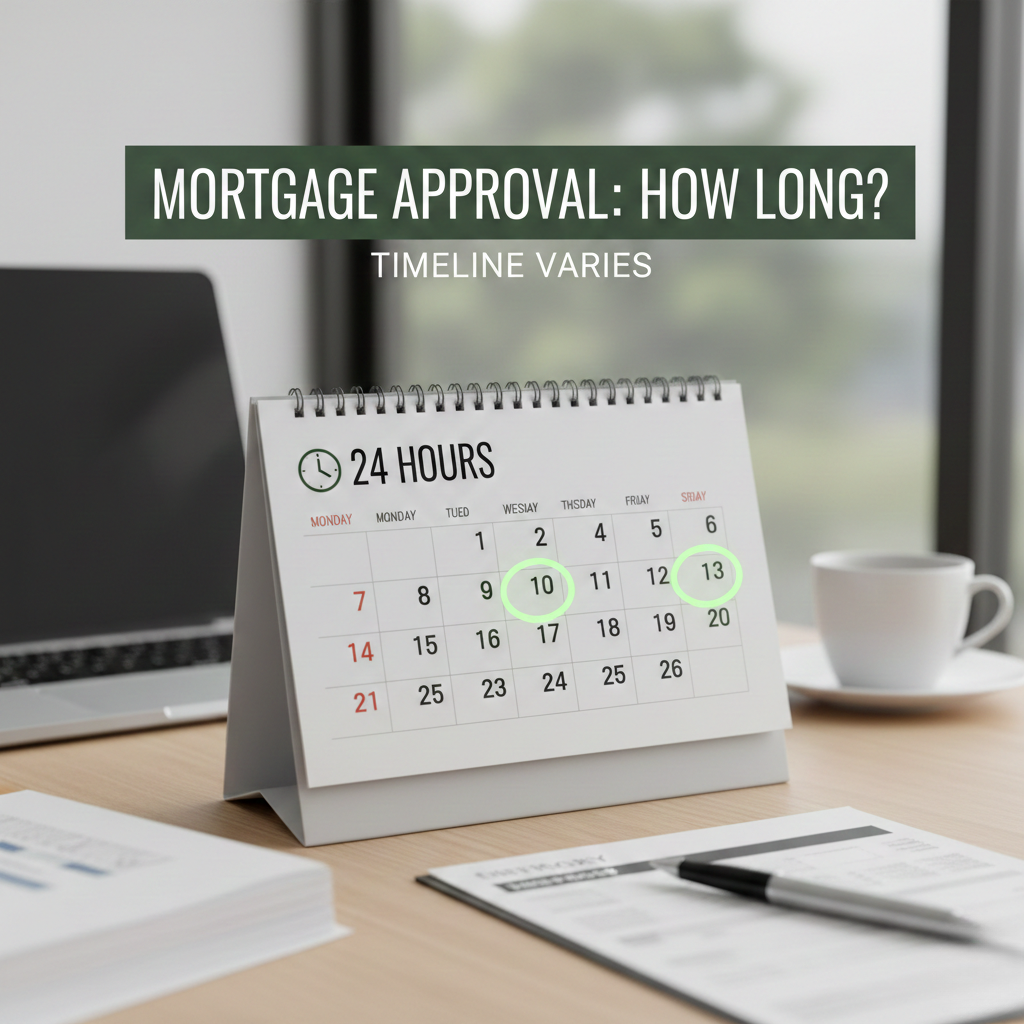
Mortgage approval timelines vary, but most approvals take between 24 hours and 5 business days once all documents are submitted. Private and alternative lenders may approve faster, while complex applications may take slightly longer.

Yes, self-employed borrowers can qualify for a mortgage using alternative income verification methods. Lenders may consider business financials, bank statements, or stated income programs. A mortgage broker can structure your application to improve approval chances.

Yes, bad credit mortgage options are available through alternative and private lenders. While interest rates may be higher, these mortgages can help rebuild credit and provide a path to refinancing with better terms in the future.

Common mortgage documents include proof of income, employment verification, recent bank statements, credit report authorization, identification, and property details. Required documents may vary based on lender and mortgage type.

Fixed-rate mortgages offer stable payments, while variable-rate mortgages often start with lower rates but can fluctuate. The best choice depends on your risk tolerance, financial goals, and market conditions. A mortgage broker can help you decide.

Yes, you can refinance your mortgage before maturity, but penalties may apply. Refinancing can help lower interest rates, reduce payments, or access home equity. We calculate whether refinancing makes financial sense for you.

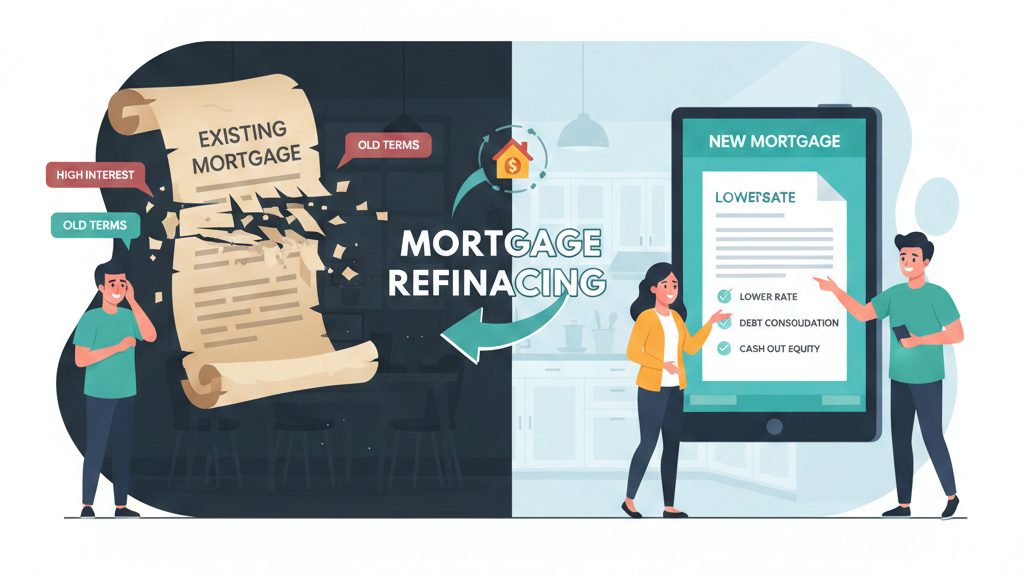
Mortgage refinancing replaces your existing mortgage with a new one to improve terms. Homeowners refinance to secure lower interest rates, consolidate debt, or access equity for renovations or investments.

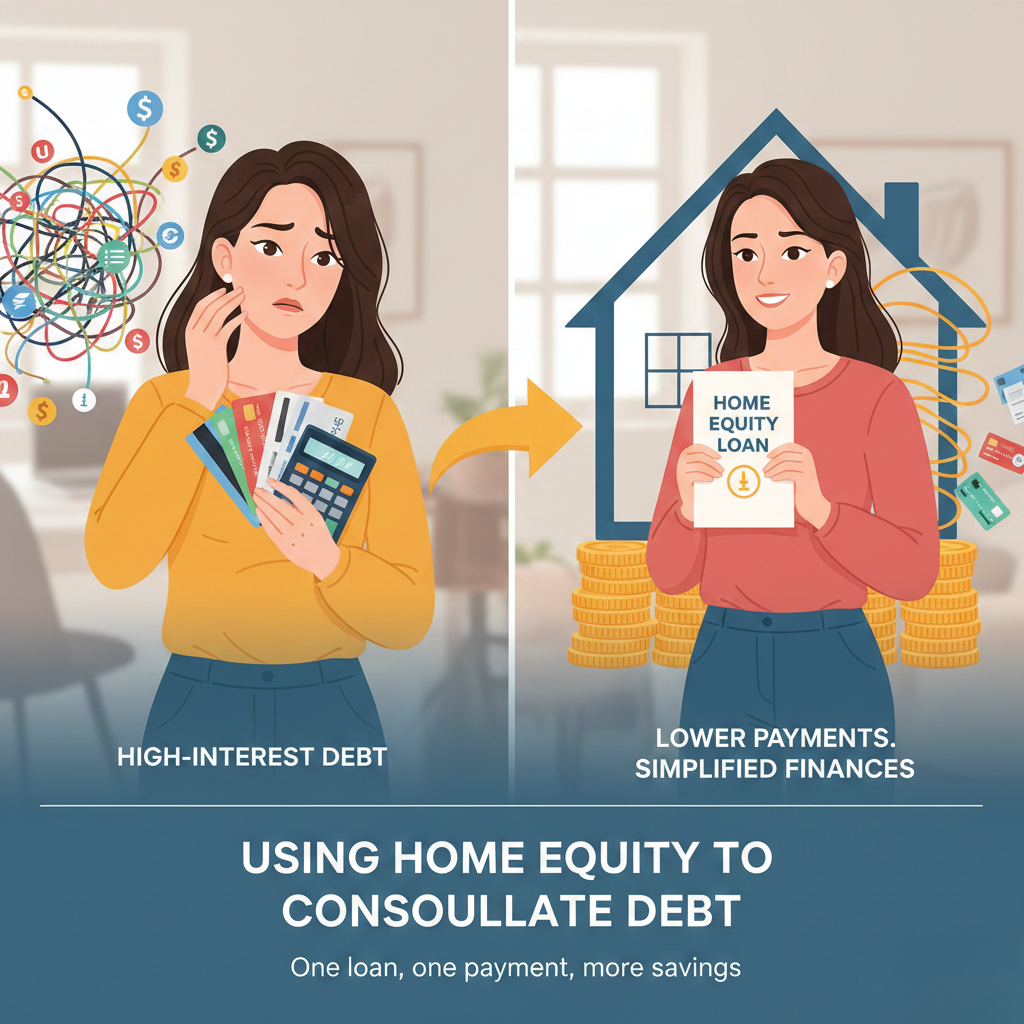
Yes, homeowners can use home equity to consolidate high-interest debts into a lower-interest mortgage or line of credit. This can reduce monthly payments and simplify finances.

A private mortgage is provided by individual or institutional private lenders rather than banks. These mortgages are ideal for borrowers who need fast approvals, flexible terms, or have unique financial circumstances.

Yes, many lenders offer New to Canada mortgage programs. These options allow newcomers to buy property with limited Canadian credit history by using international income and assets.

A mortgage broker may pull your credit once and share it with multiple lenders, minimizing the impact on your credit score. Multiple inquiries within a short period are typically treated as one for scoring purposes.

The best mortgage rates depend on credit score, income, down payment, property type, and market conditions. Working with a mortgage broker gives you access to multiple lenders and negotiated rates.

You can refinance as often as lender rules allow, but penalties and costs must be considered. Most homeowners refinance every few years to improve terms or access equity.

A mortgage broker saves time, compares lenders, negotiates rates, and provides expert guidance. Brokers offer personalized mortgage solutions that banks often cannot, especially for complex financial situations.